
The Unexpected Truth About Childhood Trauma Symptoms
I used to think childhood trauma was a clear-cut thing: something big, something dramatic, something you could *see*. I pictured overt abuse, neglect that left physical scars. Honestly, I was wrong. The reality of **childhood trauma symptoms** is far more nuanced, far more insidious, and often, much harder to recognize. It took years of studying child development and working directly with families to understand the subtle, often hidden ways trauma manifests in children's lives. That's what I want to share with you today.
The impact of experiencing adverse childhood experiences (ACEs) can be profound and long-lasting. It's not just about the big, headline-grabbing events; it's about the everyday experiences, the chronic stress, and the feeling of unsafety that can shape a child's brain and body. This understanding is critical for parents, educators, and anyone who cares about children.

Unpacking the Common Signs of Childhood Trauma
There's no single checklist to diagnose childhood trauma, but recognizing the patterns is crucial. The signs of childhood trauma can be incredibly varied. They can look different depending on the child's age, personality, and the specific types of trauma they've experienced.
Emotional and Behavioral Challenges
Children struggling with trauma often exhibit a range of emotional and behavioral difficulties. These aren't just "bad moods" or "acting out"; they're often a child's way of communicating deep distress.
- Emotional Outbursts: Unexplained anger, irritability, or frequent tantrums are common.
- Withdrawal: The child might become withdrawn, isolating themselves from friends and family. They may struggle to form new attachments.
- Anxiety and Fear: Excessive worry, fear of specific situations (like school or being alone), or general feelings of unease.
- Difficulty with Emotional Regulation: Trouble managing their emotions, leading to rapid shifts in mood and difficulty calming down.
Physical Symptoms and Health Concerns
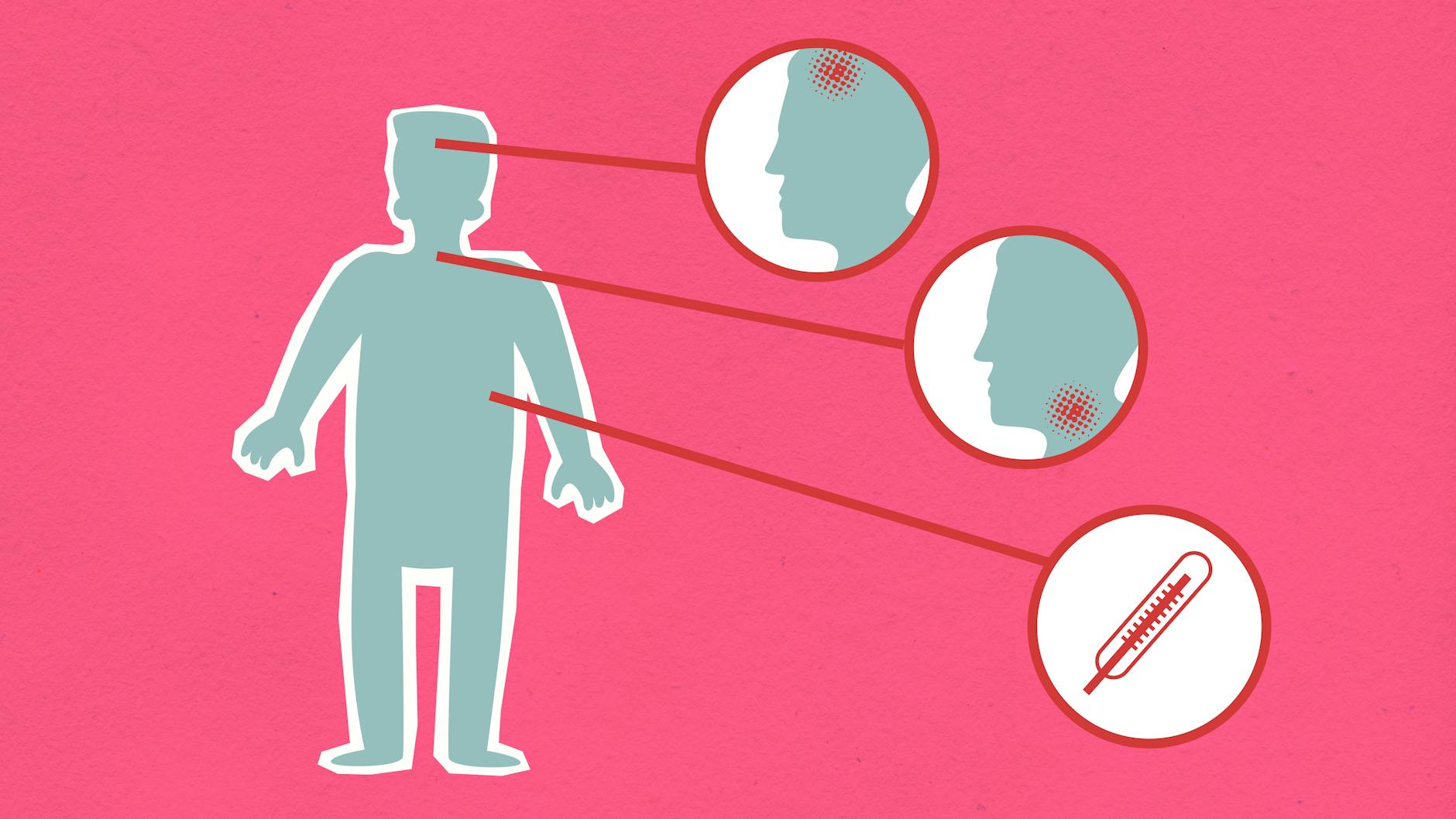
The effects of childhood trauma can manifest physically, too. The body keeps the score, as they say. These physical symptoms are often overlooked or misdiagnosed, leading to further suffering.
- Sleep Disturbances: Nightmares, difficulty falling asleep, or frequent waking.
- Physical Complaints: Headaches, stomach aches, or other unexplained physical symptoms.
- Changes in Eating Habits: Loss of appetite, overeating, or other eating disorders.
Cognitive and Developmental Difficulties
Trauma can significantly impact a child's cognitive development and their ability to learn and function in school. This is because the brain is wired for survival, and when a child is in a constant state of threat, their brain prioritizes survival over learning.
- Difficulty Concentrating: Trouble focusing in school or on tasks.
- Memory Problems: Difficulty remembering things or recalling events.
- Learning Difficulties: Struggling with academic performance, even when there are no underlying learning disabilities.
Understanding the Different Types of Childhood Trauma
It's important to understand that trauma isn't a one-size-fits-all experience. Different types of trauma can lead to distinct patterns of **childhood trauma symptoms**. Recognizing these differences can help tailor interventions and support.
Acute Trauma vs. Chronic Trauma
Acute trauma is a single, overwhelming event, such as a car accident or a natural disaster. Chronic trauma, on the other hand, involves repeated or prolonged exposure to adverse experiences, such as ongoing abuse or neglect. Chronic trauma often has a more pervasive and damaging impact on a child's development, leading to complex childhood trauma.
Complex Trauma
This is a specific type of trauma that results from multiple or chronic traumatic events, often within a child's caregiving environment. Complex trauma can profoundly impact a child's sense of self, their relationships, and their ability to regulate their emotions. This can make it difficult for them to trust others.
Examples of Adverse Childhood Experiences
These experiences, known as ACEs, are linked to a higher risk of developing various health and mental health issues later in life. They include physical, emotional, and sexual abuse, neglect, witnessing violence, and having a household member with mental health issues or substance abuse problems. The more ACEs a child experiences, the greater the risk of negative outcomes. According to the CDC, ACEs are a serious public health concern.

The Link Between Childhood Trauma and Mental Health
The connection between **childhood trauma and mental health** is undeniable. Early trauma significantly increases the risk of developing a wide range of mental health conditions later in life. This isn't just a matter of "being resilient" or "bouncing back"; it's about the very structure and function of the brain being altered by traumatic experiences.
Increased Risk of Mental Health Disorders
Children who experience trauma are far more likely to develop conditions such as:
- Post-Traumatic Stress Disorder (PTSD): This is perhaps the most well-known, and it can manifest in intrusive thoughts, nightmares, and avoidance behaviors.
- Anxiety Disorders: Generalized anxiety, social anxiety, and phobias are common.
- Depression: Childhood trauma is a significant risk factor for developing depression.
- Attachment Disorders: Difficulty forming healthy attachments with others.
- Eating Disorders: Trauma can be a significant contributing factor to eating disorders.
The Impact on Brain Development
Early childhood trauma can literally change the structure of the brain. The areas of the brain responsible for emotional regulation, such as the amygdala and the prefrontal cortex, can be negatively affected. This can lead to difficulties with emotional regulation, impulse control, and decision-making.
How to Support a Child Experiencing Childhood Trauma Symptoms
If you suspect a child is struggling with **childhood trauma symptoms**, the most important thing is to offer support and understanding. Here's how to help:
Creating a Safe and Supportive Environment
A safe environment is the foundation for healing. It means providing a space where the child feels secure, respected, and loved.
- Consistency and Predictability: Establish routines and predictable schedules to provide a sense of safety and control.
- Empathy and Validation: Listen to the child's feelings and experiences without judgment. Validate their emotions, even if you don't fully understand them.
- Positive Relationships: Build strong, supportive relationships with the child. This can be with parents, other family members, teachers, or therapists.
Seeking Professional Help
It's essential to seek professional help from a therapist or counselor specializing in child trauma. They can provide evidence-based interventions and support the child's healing process.
- Trauma-Informed Therapy: Look for therapists who are trained in trauma-informed care.
- Therapeutic Approaches: Therapies like play therapy, art therapy, and cognitive-behavioral therapy (CBT) can be helpful.
- Parent Education and Support: Parents and caregivers need support too. Therapy can help them understand and respond to the child's needs.
Promoting Emotional Regulation
Helping a child develop emotional regulation skills is a crucial part of the healing process.
- Teaching Coping Skills: Teach the child healthy coping mechanisms, such as deep breathing exercises, mindfulness, and relaxation techniques.
- Modeling Healthy Behaviors: Demonstrate healthy ways of managing your own emotions.
- Creating a Calm Environment: Reduce stress in the child's environment, such as limiting exposure to stressful situations or conflict.
The Long-Term Effects and Importance of Early Intervention
The long-term effects of unaddressed childhood trauma can be devastating, impacting every aspect of a person's life. However, early intervention can make a significant difference.
Preventing Long-Term Consequences
Without intervention, childhood trauma can lead to a host of problems, including:
- Relationship Difficulties: Trouble forming and maintaining healthy relationships.
- Substance Abuse: Increased risk of substance abuse and addiction.
- Chronic Health Problems: Increased risk of developing chronic health conditions.
- Challenges with Employment and Education: Difficulties succeeding in school and the workplace.
The Power of Early Intervention
The earlier a child receives support, the better the outcome. Early intervention can help:
- Reduce the Severity of Symptoms: Early intervention can help reduce the intensity and duration of trauma symptoms.
- Promote Resilience: Support can help children develop resilience and coping skills.
- Improve Long-Term Outcomes: Early intervention can significantly improve a child's long-term health, well-being, and life chances.
The National Alliance on Mental Illness research on childhood trauma symptoms highlights the importance of early intervention and accessible mental healthcare. The National Institutes of Health research on childhood trauma symptoms also underscores the need for continued research into effective treatment options.
Moving Forward: A Call to Action
So, what can we do? We can start by educating ourselves and others about the reality of childhood trauma. We can advocate for policies that support children and families. We can create communities where children feel safe, supported, and loved. We can all play a role in helping children heal and thrive. Think about the last time you heard a story about a child struggling. Did you offer support? Did you listen? Did you offer resources? That simple act of kindness, that willingness to understand, can make all the difference. The The Gottman Institute research on childhood trauma symptoms shows that healthy relationships are crucial for healing. Let's build those relationships. Let's create a world where every child has the opportunity to heal and to reach their full potential.